Skip to content
Products
Products
856 727 9500
Contact
Home
»
Sensor Technology Explained
»
Page 2
Category: Sensor Technology Explained
Sensor Technology Explained
November 21, 2022
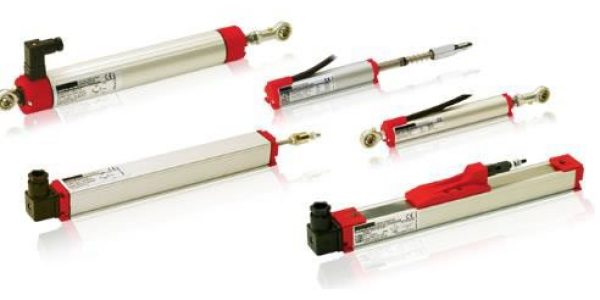
Potentiometers That Make Sense for Sensing
Despite their perceived simplicity, potentiometers can still be an appropriate option in today’s ever-complicated automation industry. Fundamentally a variable resistor,
Read More
Sensor Technology Explained
August 4, 2022
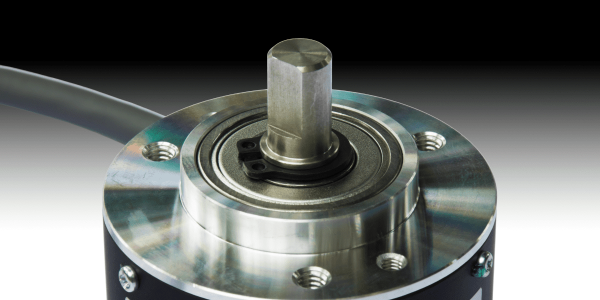
Encoder Technology Overview
Rotary encoders are used in a variety of applications to provide feedback on position, speed, direction, or angle. There are
Read More
Sensor Technology Explained
April 21, 2022
Introduction to Intrinsically Safe Sensors
Intrinsically safe (IS) sensors are unable to produce a spark strong enough to cause ignition. Learn how this is accomplished
Read More
Sensor Technology Explained
April 14, 2022
Dynamic Inclinometers
For applications where sudden movements, shocks, and vibrations are likely to be encountered, it is important to have sensors with
Read More
Sensor Technology Explained
April 14, 2022
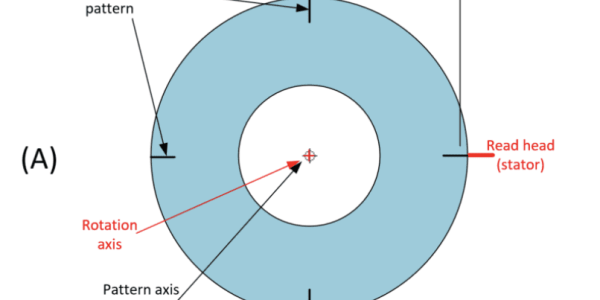
Why Holistic Encoders are More Accurate
All absolute rotary encoders have a rotor which is attached to the rotating shaft and a stator which is attached
Read More
Sensor Technology Explained
April 14, 2022
SSI Encoder
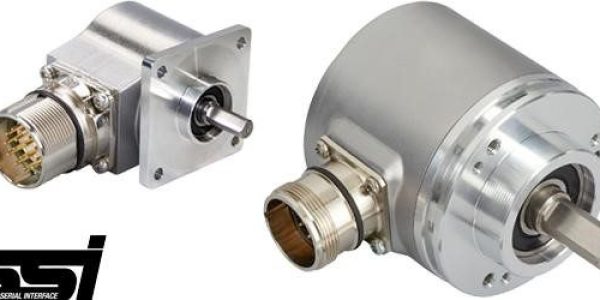
Synchronous Serial Interface (SSI) is a widely used serial interface standard for industrial applications between a master (i.g. controller) and
Read More
Sensor Technology Explained
April 6, 2022
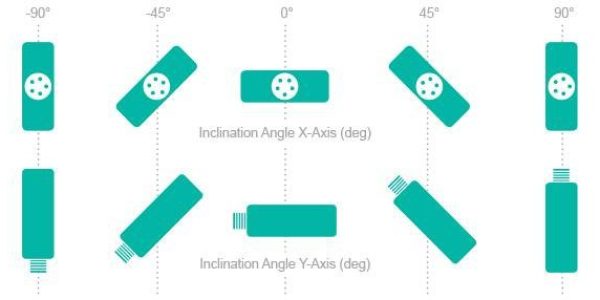
MEMS Inclinometer Specifications
Inclinometers, also called tilt sensors, clinometers, or slope sensors, are designed to measure the angle of an object with respect
Read More
Previous
Page
1
Page
2
Next
View All
Emerging Trends
Linear Sensors
Liquid Level Sensors
Oil Debris Sensors
Product Spotlights
Rotary Sensors
Sensor Technology Explained
Tilt Sensors
Troubleshooting and FAQs
View All
Emerging Trends
Linear Sensors
Liquid Level Sensors
Oil Debris Sensors
Product Spotlights
Rotary Sensors
Sensor Technology Explained
Tilt Sensors
Troubleshooting and FAQs