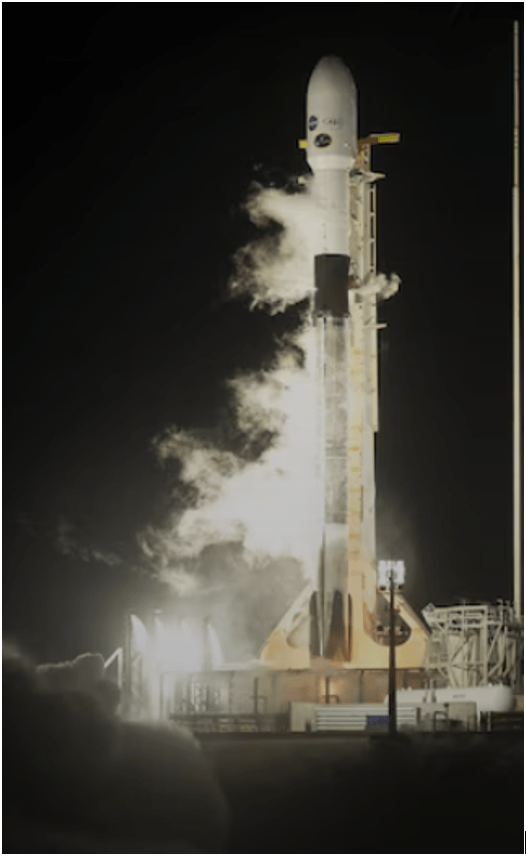
Spacecraft launches present a uniquely demanding environment for sensors. The extreme conditions encountered during liftoff require sensors with exceptional ruggedness, reliability, and resistance to harsh environmental factors. For example, rockets generate immense vibrations, sound waves and shock loads during liftoff. Sensors must be able to withstand these forces without damage or performance degradation. This often necessitates robust packaging and thoughtful assemblies which will not become compromised during a launch. The use of a ‘water deluge system’ to cool the surrounding area of the launchpad can result in the sensors being exposed to a high amount of water. Given the high flammability of rocket fuel, traditional sensors which could cause an inadvertent ignition cannot be used and rather intrinsically safe or explosion-proof sensors which are ATEX, CSA and/or UL rated must be used.
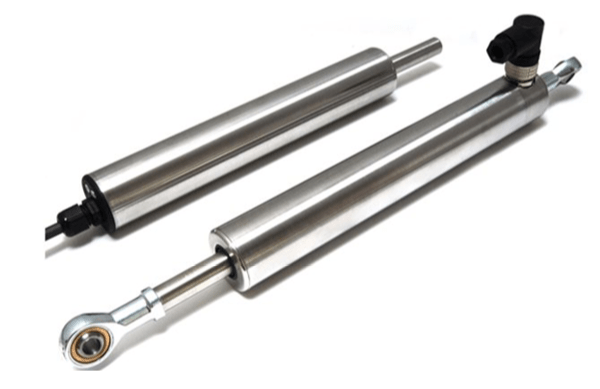
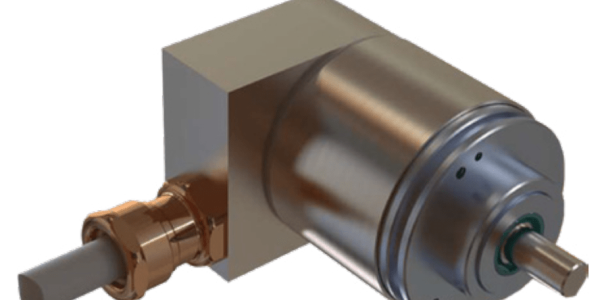
At Everight Position we work with various private space companies to provide sensors for the positioning of launch equipment. Combining the ruggedness of the Positek X111 with the robustness of 316 stainless steel from Positek’s line of submersible sensors, a unique linear sensor was derived to meet the challenging requirements. Optional conduit connections allow for additional protection to mating connectors and wiring.
The Positek X111 sensor combines non-contact inductive sensing in a robust compact linear sensor.
Choosing UL-certified sensors isn’t just about ticking compliance boxes—it’s about ensuring long-term reliability, protecting workers, and keeping critical systems running